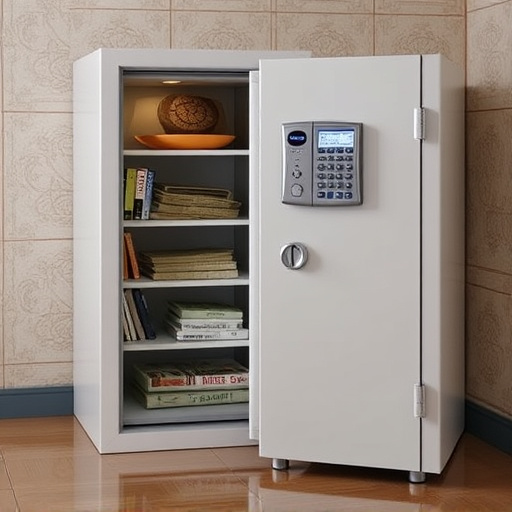
Homeowners should beware of counterfeit outdoor electrical boxes, lacking safety standards and certifications. These fake boxes pose risks due to poor quality, weak locking mechanisms, and inadequate ventilation. Investing in robust, locked, weatherproof storage containers with advanced security features is essential to protect items from theft, vandalism, and weather damage. Secure installation, regular maintenance, and inspections are crucial for reliable and safe Fake Outdoor Electrical Box Storage.
In today’s digital era, securing sensitive items is paramount. One often overlooked area is the storage of fake outdoor electrical boxes, which can harbor dangerous components or be targets for theft. This article delves into the intricacies of understanding and securing these containers. We explore security risks, common vulnerabilities, and offer practical solutions, installation tips, and best practices to ensure your fake outdoor electrical box storage remains safe and secure.
- Understanding Fake Outdoor Electrical Boxes
- Security Risks and Common Vulnerabilities
- Choosing Secure Storage Solutions
- Installation Tips for Safe Containers
- Best Practices for Daily Maintenance
Understanding Fake Outdoor Electrical Boxes
Many homeowners often fall victim to counterfeit or fake outdoor electrical boxes, which can pose significant safety risks. These imitation products are designed to look like genuine electrical enclosures but lack proper insulation and durability standards. Understanding what to look for is crucial when identifying potential fakes. One key indicator is the absence of certification labels or markings from recognized testing facilities, which authentic boxes typically display.
Fake outdoor electrical box storage can also be identified through material quality and construction. Genuine boxes are usually made from high-quality materials like durable plastic or metal, ensuring they withstand harsh weather conditions. In contrast, counterfeits often use lower-grade materials, making them more susceptible to damage and potentially compromising the safety of your electrical system. Regularly inspecting and maintaining your outdoor electrical boxes is essential to ensure the integrity of your home’s wiring and prevent costly repairs or even accidents.
Security Risks and Common Vulnerabilities
Fake outdoor electrical boxes, often used as storage solutions, can pose significant security risks and vulnerabilities. These boxes, designed to house electrical components, are sometimes improperly secured or modified for non-intended use, creating potential hazards. Unsecured fake outdoor electrical storage containers can be easily accessed by intruders, leading to theft of valuable items or even more severe consequences if sensitive materials are involved.
Common vulnerabilities include weak locking mechanisms, unsecured covers, and inadequate anchorages. As these boxes are often placed outdoors, they become targets for vandalism or break-ins. Moreover, weather conditions like heavy rain or extreme temperatures can compromise the integrity of these containers, making them less effective as secure storage solutions. It’s crucial to invest in robust, locked boxes with proper ventilation and water resistance to mitigate these risks, ensuring the safety of items stored within.
Choosing Secure Storage Solutions
When selecting secure storage solutions for fake everyday product containers, especially in outdoor settings like electrical boxes, it’s crucial to consider durability and security features. Opting for weatherproof containers designed with robust locking mechanisms ensures that your stored items remain safe from both natural elements and unauthorized access.
Choosing a Fake Outdoor Electrical Box Storage unit that offers advanced security measures such as heavy-duty locks, impact resistance, and secure fasteners can significantly reduce the risk of theft or damage. Additionally, consider storage solutions with subtle yet effective camouflage features to blend seamlessly into their surroundings, making them less conspicuous targets for potential intruders.
Installation Tips for Safe Containers
When installing a fake outdoor electrical box storage container, ensure it’s securely anchored to prevent tipping or theft. Place it on a level surface, preferably concrete, and use bolts to fasten it to the ground. Check local building codes for any specific requirements regarding outdoor storage units.
For added security, consider adding a heavy-duty lock to your fake electrical box. Position the lock in an inconspicuous yet accessible location for easy access during emergencies while ensuring it’s out of sight from passersby. Regularly check and maintain the container’s integrity, including its locking mechanism, to guarantee optimal safety for your stored items, especially those of high value or sensitive nature like fake outdoor electrical components.
Best Practices for Daily Maintenance
Regular maintenance is key to ensuring your fake outdoor electrical box storage remains secure and reliable. Start by inspecting the container daily for any signs of damage, corrosion, or loose parts. Addressing issues promptly prevents minor problems from escalating. Keep the area around the storage unit clear of debris and vegetation, as overgrowth can compromise its integrity.
Implement a cleaning routine to remove dust and dirt buildup, especially after harsh weather conditions. Use suitable cleaning materials to avoid damaging the storage box’s exterior. Additionally, regularly check the locking mechanism for smooth operation. Lubricate hinges and ensure secure closure to protect your valuable contents from potential intruders.
Securing your outdoor electrical boxes from fake or unauthorized access is paramount to protecting both your property and community safety. By understanding the risks, choosing robust storage solutions like locked, weatherproof containers, and implementing best practices for daily maintenance, you can effectively mitigate vulnerabilities. Remember, a secure Fake Outdoor Electrical Box Storage system isn’t just about hardware; it’s about adopting proactive measures to safeguard your electrical infrastructure from potential hazards.